
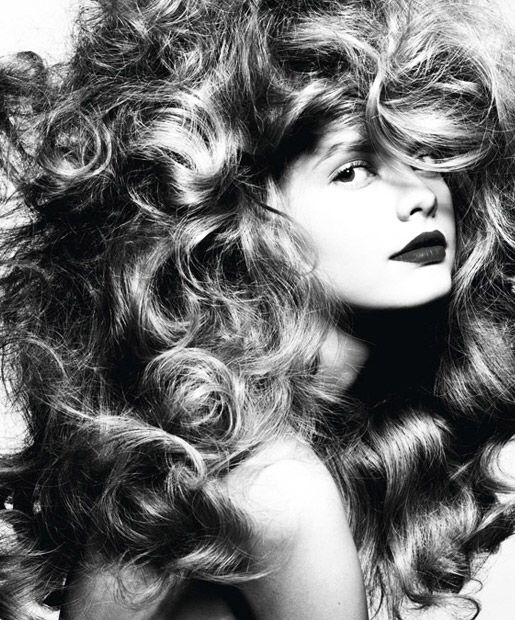
No shampoo, serum, or gimmicky treatment can fix hair that’s stressed, undernourished, or hormonally out of balance — let’s break down what your hair really wants, and how to give it the support it actually needs.
Let’s be honest — hair is not just hair. It holds identity, confidence, and a lot of personal energy. The cut, the color, the way you wear it says something about where you’ve been and how you’re showing up now. For many women, hair is deeply tied to femininity and self‑expression.
So when hair starts thinning, shedding, or just doesn’t feel like you anymore, it can be unsettling. And that’s why one of the top questions I get is: “How do I fix my hair?”
Here’s the part people don’t want to hear: hair isn’t fixed with one serum, gummy, or trendy supplement. Hair is a reflection of what’s happening internally. So instead of chasing quick fixes, let’s actually understand what hair is, what affects it, and how to support it — realistically.
The Science of Hair
Hair is made mostly of protein, specifically keratin. About 90–95% of each strand is protein, rich in amino acids like cysteine, which contains sulfur and gives hair its strength, structure, and shape.
Once hair leaves the scalp, it is technically dead tissue. That means you cannot heal, repair, or feed the strand itself. All support happens at the follicle, before the hair ever grows out.
This matters because it explains why:
- Expensive products can improve shine or smoothness, but not growth
- Hair reflects nutrition, stress, hormones, and overall health from months prior
- Hair is often the first thing to suffer when the body feels under-fueled or stressed
Hair growth requires adequate protein, micronutrients, blood flow, and — most importantly — a body that feels safe enough to prioritize non‑essential functions like hair.
What’s Holding Your Hair Back
Hair is incredibly sensitive to internal stressors, which is why hair changes are often delayed and confusing.
Stress: Chronic stress raises cortisol and shifts hair follicles into the shedding phase. This is why stress‑related hair loss often shows up 2–3 months after the stressor, not during it.
Hormones: Estrogen keeps hair in the growth phase longer, while androgens like DHT can shrink follicles in genetically sensitive women. Hormonal shifts after stopping birth control, postpartum, or during perimenopause commonly impact hair density.
Thyroid health: Both low and high thyroid function can cause thinning, excessive shedding, dry texture, and slowed regrowth.
Medical history & medications: Illness, surgery, autoimmune conditions, infections, and certain medications can all temporarily or chronically affect hair growth.
Blood sugar & insulin resistance: Conditions like PCOS and insulin resistance alter androgen signaling, which can contribute to scalp hair thinning and unwanted hair growth elsewhere.
Menstrual cycle & energy availability: Under‑eating, over‑exercising, irregular cycles, or missing periods signal to the body that resources are scarce. Hair growth is one of the first things to be deprioritized.
Hair practices: Coloring, bleaching, heat styling, and tight hairstyles don’t affect growth at the follicle, but they absolutely increase breakage, which can make hair appear thinner even if growth is normal.
The Real Way to Give Your Hair What It Needs
Let’s get grounded here — hair support is about nourishment, consistency, and patience, not overload.
Protein (non‑negotiable):
Hair is protein. When intake is low, the body diverts amino acids away from hair to keep vital organs running. Adequate protein supports keratin production and healthy growth.
Food sources: grass‑fed beef, chicken, turkey, eggs, Greek yogurt, cottage cheese, salmon, sardines, shellfish, tofu, tempeh, lentils, and beans. Most women need more protein than they think, especially if active or cycling regularly.
Iron:
Low iron stores (ferritin) are one of the most common contributors to hair shedding in women — even when labs are technically “normal.” Iron supports oxygen delivery to the follicle. This is huge.
Food sources: red meat, beef liver, bison, sardines, clams, oysters (heme iron, best absorbed); lentils, beans, spinach, pumpkin seeds (non‑heme iron — pair with vitamin C).
B vitamins:
B vitamins support energy production and rapid cell turnover. Deficiencies can show up as thinning, slow growth, or increased shedding.
Food sources: eggs, beef, beef liver, poultry, fish, nutritional yeast, leafy greens, legumes, whole grains. Vitamin B12 is primarily found in animal foods.
Zinc:
Zinc supports follicle health, tissue repair, immune function, and hormone balance. Both deficiency and excess can impact hair — more is not better.
Food sources: oysters, beef, pumpkin seeds, hemp seeds, chickpeas, eggs, shellfish.
Vitamin C:
Vitamin C supports collagen production and improves iron absorption, indirectly supporting hair structure and growth.
Food sources: citrus fruits, kiwi, strawberries, bell peppers, broccoli, Brussels sprouts.
Healthy fats:
Omega‑3s and other healthy fats support scalp health, reduce inflammation, and are essential for hormone production. Ultra‑low‑fat diets and hair health do not coexist.
Food sources: salmon, sardines, anchovies, olive oil, avocado, walnuts, chia seeds, flax seeds.
Stress reduction & boundaries:
Hair grows best in a regulated nervous system. Sleep, rest days, walking, yoga, sunlight, and emotional boundaries matter more than most supplements ever will.
Exercise (not over‑exercise):
Movement improves circulation and insulin sensitivity, but excessive training without recovery can worsen shedding. Balance matters.
Supplements (use discernment):
Supplements can be supportive only if a deficiency exists. Blindly stacking hair vitamins often leads to imbalance, not growth. Testing first is key.
A high-quality multivitamin can be a solid foundation, especially for women with busy lives, inconsistent intake, or higher needs. A good multi helps cover baseline gaps in iron, B vitamins, zinc, iodine, and other micronutrients that indirectly support hair, hormones, and energy.
Biotin also plays a role in hair growth because it’s involved in keratin production. True biotin deficiency can lead to brittle hair and shedding. That said, most people already get enough biotin from food, so more is not better — and excess biotin won’t magically grow hair if the issue is stress, hormones, or under-eating.
If you’re looking for one supplement to support overall female health — not just hair — I often suggest ancestral, food-based options like beef liver. Beef liver is one of the most bioavailable sources of iron, vitamin A, B12, zinc, copper, and other micronutrients that support hair, hormones, energy, and overall vitality. It’s not trendy, but it’s effective.
Patience:
Hair grows slowly — about half an inch per month. Supporting hair is a long‑term relationship with your body, not a 30‑day reset.
Moral of the Story
Hair growth isn’t a trend — it’s a lifestyle. Your hair is not just a cosmetic concern; it’s feedback from your body. Instead of asking how to “fix” it, pay attention to what your body has been managing beneath the surface.
The best support comes from a high-quality diet, a strong mind-body connection, consistent patience, and yes… a little bit of joy along the way. When nourishment, balance, and consistency are in place, healthy hair growth naturally follows — on its own timeline.
-Olivia Jade
 Jaded By Olivia Jade
Leave a comment