
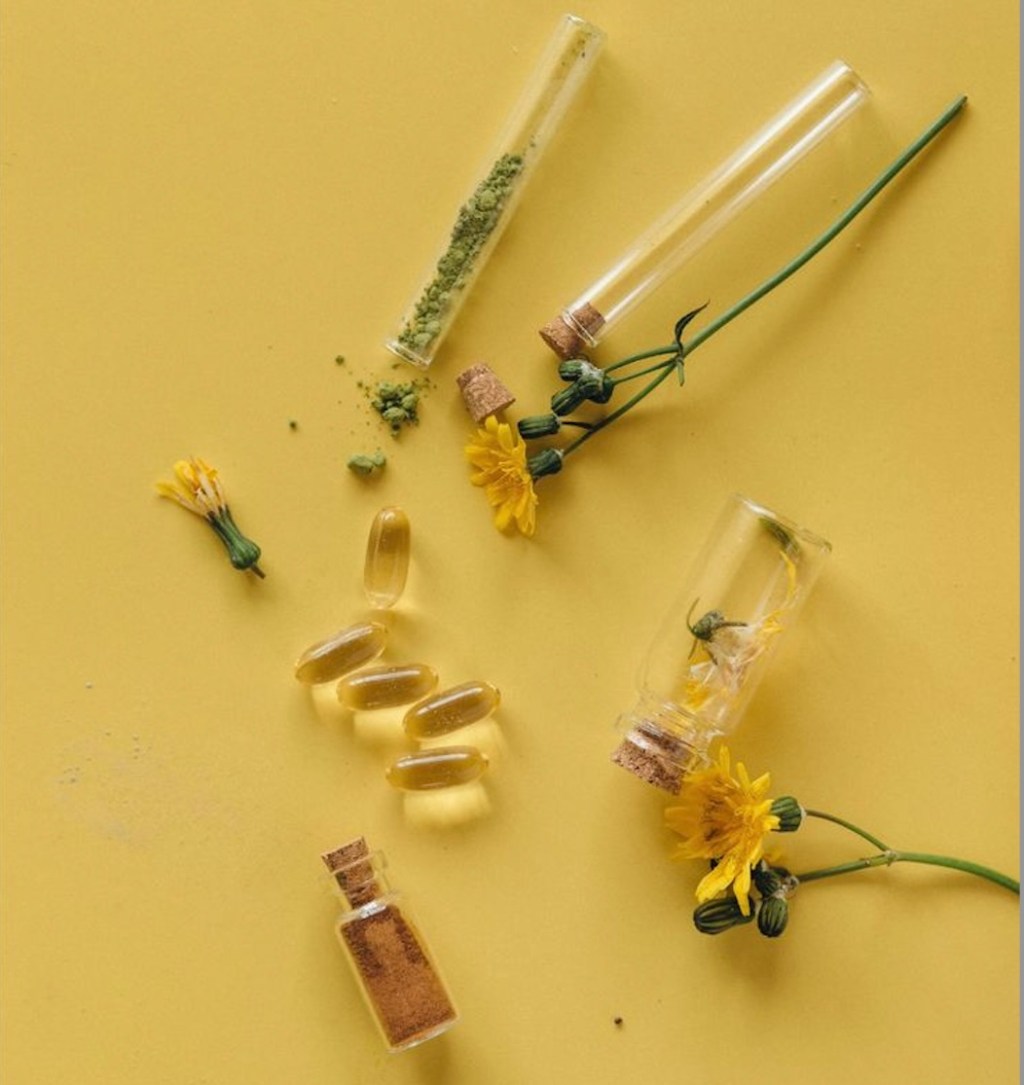
Supplements are everywhere… promising more energy, better hormones, clearer skin, and a whole new life. But the truth is, the wellness industry has turned supplements into a business built on making women feel like they’re constantly lacking something.
Let’s talk about supplements because at this point, they’re less of a health tool and more of a business. And wherever there’s business, there’s marketing, exaggeration, and a lot of BS.
The wellness industry has convinced women that we’re constantly lacking something. Low energy? Take this. Bad skin? Try that. Hormone issues? Here’s a powder, a pill, a gummy, and a monthly subscription.
And while some supplements can be helpful, the uncomfortable truth is this:
no supplement is going to save you, heal you, or fix your life … unless you actually need it.
Most of what’s being sold to us today is not about true health. It’s about creating lifelong customers.
Supplements Are Designed To Keep You Coming Back
Of course supplement companies want you to feel better when you take their product. If you felt nothing, you wouldn’t buy it again.
But they also don’t want you to feel so good that you realize you don’t need it anymore.
So we get stuck in this cycle:
fatigue → supplement → slight improvement → still not great → buy more supplements.
Instead of asking the deeper questions:
Am I eating enough?
Am I sleeping?
Am I chronically stressed?
Is my nervous system regulated?
Am I actually nourishing my body?
Most supplements help manage symptoms, not root causes. And root causes usually live in lifestyle, not in a bottle.
The Vitamin Cabinet With No Food Problem
This might be one of the biggest issues I see.
People with shelves and shelves of supplements…
but barely any real food in their fridge.
We’re trying to supplement our way out of:
under-eating, burnout, stress, hormonal chaos, and exhaustion.
But you cannot build stable energy, balanced hormones, or a regulated nervous system on capsules alone.
You can’t replace meals with powders.
You can’t replace nourishment with gummies.
And you definitely can’t replace rest with adaptogens.
Supplements are meant to supplement, not replace the foundations of health.
The Few Supplements Most Women Actually Need
Here’s the part no one on TikTok wants to say:
most women do not need 15 different supplements.
There are four nutrients that are genuinely common areas of need for women:
1. Iron
Iron is essential for energy, oxygen transport, and red blood cell production. Low iron is extremely common in menstruating women, especially those with heavy periods.
Low iron can show up as:
fatigue, dizziness, shortness of breath, hair loss, brain fog, feeling cold.
2. Magnesium
Magnesium supports the nervous system, stress response, muscle relaxation, sleep, digestion, and PMS symptoms.
Most women are low because:
chronic stress depletes magnesium, and modern diets are low in it.
3. Vitamin D
Vitamin D is crucial for mood, immunity, hormone health, and bone strength.
Many women are low due to:
indoor lifestyles, low sun exposure, and living in northern climates.
4. B12
B12 is essential for brain function, energy, and the nervous system.
Low B12 is common in:
vegetarians/vegans, women with gut issues, and those experiencing chronic fatigue or brain fog.
These four are the foundation. Not collagen, not chlorophyll, not the latest hormone gummy with a celebrity face on it.
Why You Probably Don’t Need Most Trendy Supplements
Most supplements sold online are:
trendy, over-marketed, stacked on top of each other, and targeted at insecurity more than biology.
If you’re not:
eating enough,
sleeping well,
hydrated,
managing stress,
or supporting your nervous system,
no mushroom blend, hormone tea, or greens powder is going to fix that.
We keep trying to supplement our way out of lifestyle problems.
And lifestyle problems require lifestyle solutions.
How To Choose A Supplement That’s Actually Worth Your Money
If you are going to take supplements, here’s how to not waste your money:
Choose brands that:
- are third-party tested (USP, NSF, Informed Choice)
- use minimal ingredients
- avoid artificial colors, flavors, and fillers
- don’t rely on sugar-loaded gummies
And always read the back of the bottle, not the front.
The front is marketing. The back is the truth.
Food First: The Real Sources Of Nutrients
Supplements work best when they’re filling real gaps … not replacing nourishment.
Here are real food sources of the main nutrients most women need:
Iron:
Red meat, liver, lentils, beans, spinach, pumpkin seeds
Magnesium:
Dark leafy greens, cacao, almonds, cashews, black beans, avocado
Vitamin D:
Salmon, sardines, egg yolks, fortified dairy, and sunlight
B12:
Eggs, fish, meat, dairy, nutritional yeast (for plant-based diets)
Food provides not just nutrients, but fiber, enzymes, minerals, and the nervous system safety that comes from eating real meals.
The Moral Of This Supplement Story
The biggest lie wellness culture sold women is that we’re broken and deficient.
Most of us aren’t deficient… we’re underfed, overstimulated, overworked, disconnected from our bodies, and trying to fix ourselves instead of listening.
Supplements can support healing.
But they don’t create it.
Real healing comes from:
eating enough,
resting more,
regulating the nervous system,
and learning to trust your body again.
The most powerful supplement a woman can take is nourishment, safety, and a relationship with her own body.
-Olivia Jade
 Jaded By Olivia Jade
Leave a comment