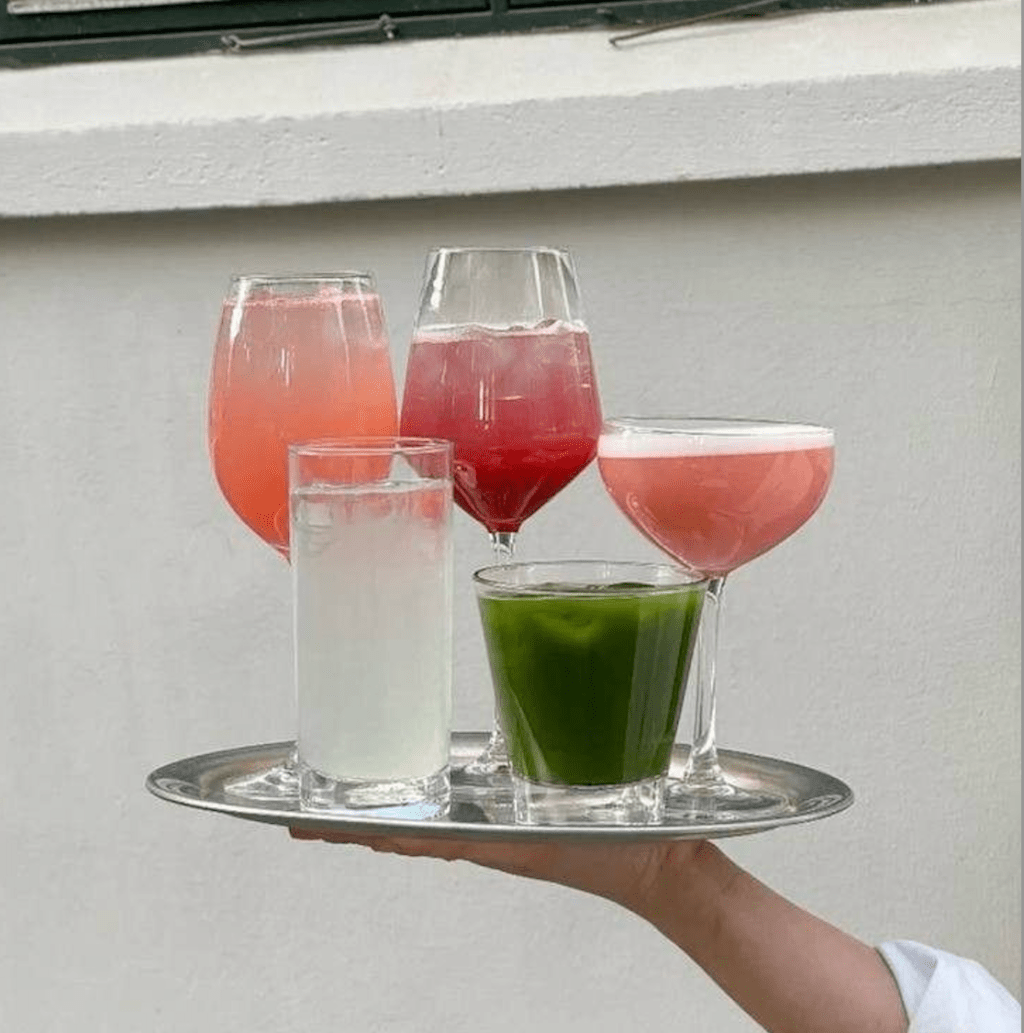
Yes, I’m a dietitian. And no, I’m not turning down a margarita. I spend my days studying women’s health, hormones, and nutrition, but I also believe life includes good dinners, good friends, and occasionally being a little tipsy. Somewhere along the way the wellness world decided alcohol had to become the villain of the decade. Personally, I prefer a more realistic approach.
As a dietitian who studies the female body for a living, I spend a lot of time thinking about nourishment.
Hormones.
Blood sugar.
Gut health.
Liver detoxification.
All those wellness things.
But I’m also someone who loves a good margarita.
I love a glass of wine with dinner sometimes. I love a good date night buzz. I love getting drinks with my best friends and now we are 10 years deep in trauma but not taking life too seriously at the moment.
I like to have a good time.
And I refuse to pretend otherwise.
I also don’t enjoy (like most people) being hungover, needing to take advil to survive the day, missing my workout, not sleeping well, and probably having a stomach ache.
But if you’re new here, one thing about me is I believe in picking your poison and enjoying it — with a little awareness along the way.
Lately the wellness world has gotten a little… dramatic about alcohol.
Some influencers are acting like a single glass of wine is basically the equivalent of licking a subway seat in New York City.
Relax.
Yes, alcohol isn’t exactly a green juice.
Yes, it has effects on the body.
And yes, many people have complicated relationships with it.
But it’s also part of culture, celebration, connection, and honestly… fun.
Humans have been fermenting things and getting tipsy together for thousands of years. We’re not suddenly going to stop because TikTok told us so.
So instead of shaming alcohol or pretending it doesn’t affect the body, I prefer the middle ground.
Understand what it does. Support your body. And drink like an adult who respects their liver.
Let’s dive in.
So… What Actually Happens When You Drink?
Alcohol is technically classified as a toxin.
Before you panic and swear off happy hour forever, let me explain.
Your body sees alcohol as something it needs to process and eliminate quickly, so when you drink, your metabolism essentially drops everything and says:
“Hold on everyone, emergency time to clean this up immediately.”
Your liver immediately begins breaking alcohol down so it can get it out of your system.
While this is happening, a few other things get temporarily put on pause:
• fat metabolism
• blood sugar regulation
• hormone processing
• sleep quality
This is why drinking regularly can slowly start to impact things like energy, skin, and hormone balance.
And women are especially sensitive to alcohol’s effects.
We generally have:
• less of the enzyme that breaks alcohol down
• lower body water content
• hormonal fluctuations throughout the month
Which means alcohol tends to hit us faster and linger longer.
Ever notice how two drinks can feel wildly different depending on where you are in your cycle?
Exactly.
Alcohol and Hormones (The Tricky Part)
Alcohol can influence estrogen levels.
Your liver is responsible for processing and clearing hormones like estrogen, and when it’s busy dealing with alcohol, hormone metabolism can slow down.
For some women this can contribute to things like:
• heavier periods
• PMS symptoms
• sleep disturbances
• mood changes
• acne or skin inflammation
And if you’ve ever had a night where you had two drinks and woke up at 3 AM staring at the ceiling questioning every decision you’ve ever made…
That’s alcohol disrupting your sleep cycle.
It might help you fall asleep faster, but it tends to wreck the deeper stages of sleep that your brain and hormones need to recover.
This doesn’t mean you can’t enjoy a drink.
It just means your body appreciates when you work with it instead of against it.
My Personal Rules for Drinking (From a Dietitian Who Loves Margaritas)
These are the same things I do when I go out.
Not because I’m trying to be perfect (again the whole point of this is to not be) but because I know how much better I feel the next day when I follow them.
1. Eat Before You Drink. Always.
I will die on this hill.
Drinking on an empty stomach is basically like fast-tracking alcohol straight into your bloodstream.
Food slows down the absorption of alcohol, which helps prevent that sudden “wow that drink hit me like a truck” moment.
When you eat first, you:
• stabilize blood sugar
• slow alcohol absorption
• reduce the chances of over-drinking
• protect your stomach
We’re talking proteins, fats, and carbs here.
Think:
• a slice (or two) of margarita pizza
• a chicken sandwich or some grilled chicken
• tacos before heading out
• pasta at dinner before drinks
Not just three olives and vibes.
2. The 1:1 Rule
One drink.
One full glass of water.
Every time.
Alcohol is dehydrating, and dehydration is responsible for about 80% of hangover misery.
Headaches.
Brain fog.
Water helps your body keep up with the metabolic chaos happening in your liver.
Plus, alternating drinks naturally slows things down.
Which is never a bad idea.
3. Choose Simpler Alcohol
Cocktails can get out of hand sometimes.
And not always in a good way.
Many mixed drinks contain more sugar than a dessert. Syrups, juices, artificial mixers… it adds up quickly and can create a blood sugar rollercoaster.
When blood sugar spikes and crashes, you get:
• worse hangovers
• anxiety the next day
• energy crashes
• cravings
So when I drink, I usually keep it simple:
• tequila (or a skinny marg of course)
• vodka
• dry wine
With soda water, lime, or citrus.
You still get the fun without the sugar hangover.
4. Give Your Liver a Little Love
Your liver is doing the absolute most when you drink.
It deserves a thank-you.
Some nutrients that support liver detoxification pathways include:
• NAD (nicotinamide adenine dinucleotide) – this is a molecule involved in cellular repair and the metabolic pathways your body uses to process alcohol. Some people like to take NAD precursors like NMN or NR to support cellular energy and recovery.
• Milk thistle – an herb traditionally used to support liver health. It contains a compound called silymarin, which may help protect liver cells from oxidative stress.
• B vitamins – alcohol metabolism uses up B vitamins, especially B1 (thiamine), B6, and B12, which are important for energy, nervous system function, and detoxification pathways.
• Magnesium – alcohol can deplete magnesium, and low magnesium can contribute to headaches, poor sleep, and muscle tension the next day.
• Electrolytes – sodium, potassium, and trace minerals help your body rehydrate and restore balance after alcohol’s diuretic effects.
When to take them
I usually keep it simple:
Before drinking:
A good meal and staying hydrated are the most important things. If you take supplements, a B-complex earlier in the day can help support energy and nutrient status.
Before bed:
Magnesium and electrolytes can help with hydration, nervous system balance, and sleep quality.
The next morning:
Hydrate, get sunlight, move your body a little, and if you take them, liver-support nutrients like milk thistle or NAD precursors can help support recovery.
None of these are magic hangover cures (I wish), but they can help support the systems your body is already using to process alcohol.
This doesn’t magically cancel out alcohol.
But it can help support the systems your body is already using to process it.
Let’s End This With A Reality Check
Alcohol is not a health food.
But life is also not meant to be lived in a constant state of restriction and optimization.
Sharing a drink with friends.
Celebrating something special.
Laughing over margaritas.
These are human experiences.
The goal isn’t perfection.
The goal is awareness and balance.
You can deeply care about nourishing your body and still enjoy a glass of wine.
Those two things are not in conflict.
In fact, sometimes joy, connection, and laughter are just as important for health as the nutrients on your plate.
So drink responsibly.
Eat beforehand.
Hydrate like you mean it.
And maybe thank your liver once in a while.
-Olivia Jade
 Jaded By Olivia Jade
Leave a comment